
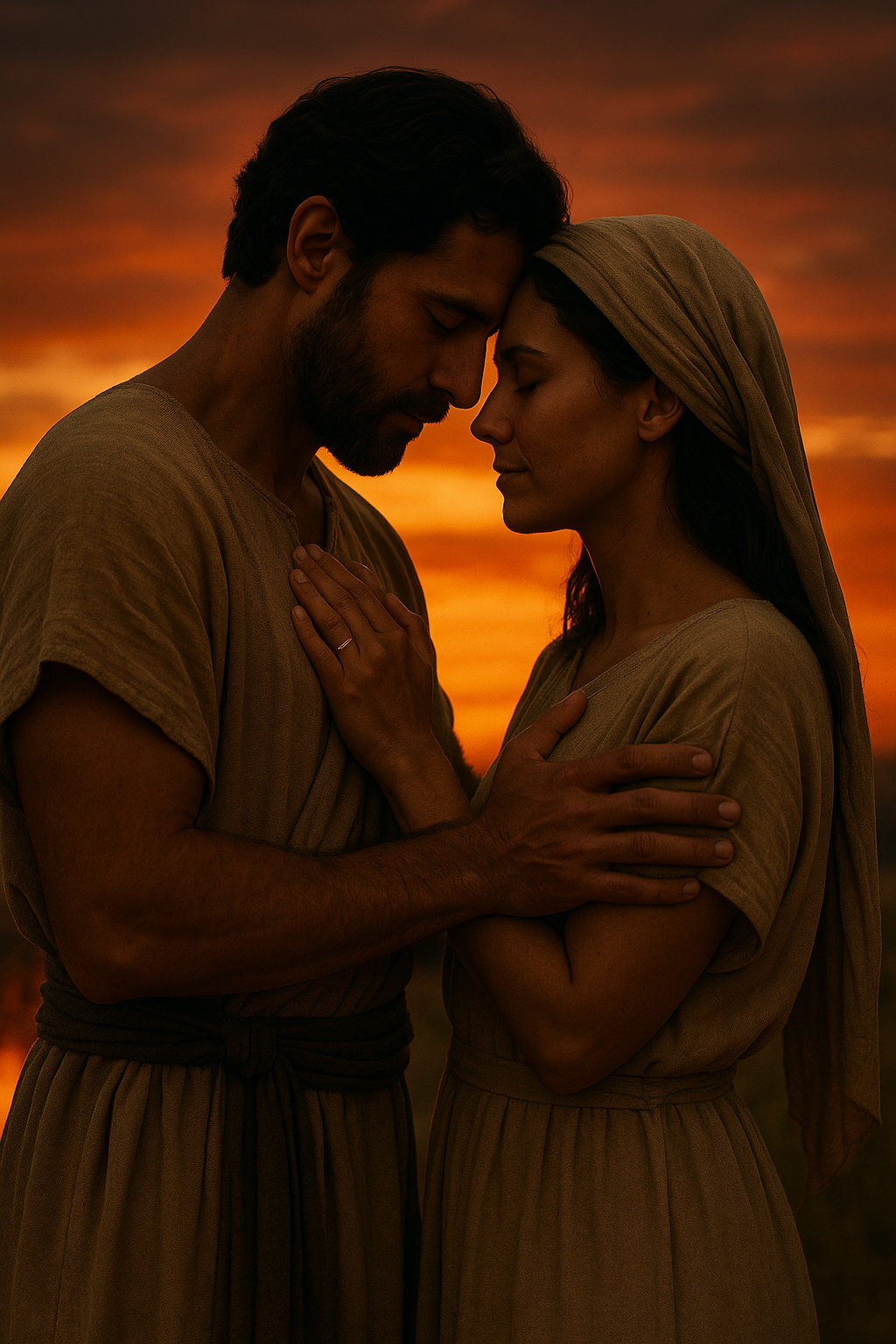
Today’s Daily Bible Verse: What Can Quench Your Love?

August 15, 2025

Song of Solomon 8:6–7- 6 Set me as a seal upon thine heart, as a seal upon thine arm: for love is strong as death; jealousy is cruel as the grave: the coals thereof are coals of fire, which hath a most vehement flame. 7 Many waters cannot quench love, neither can the floods drown it: if a man would give all the substance of his house for love, it would utterly be contemned.

Verse Context

These verses form one of the most passionate and memorable declarations in the Song of Solomon. The imagery of the seal reflects ownership, commitment, and protection. In the ancient Near East, seals were engraved marks used to show personal authority and unbreakable agreement. Placing a seal “upon the heart” and “upon the arm” speaks of love that is both deeply felt inwardly and visibly demonstrated outwardly.

The bride describes love as unyielding, “strong as death” in its permanence and inevitability. She also warns of the intensity of jealousy, which, in this context, refers to a protective zeal for the beloved, not petty envy. The description of love’s flames as a “most vehement flame” invokes a sense of divine fire, powerful and unquenchable.

Verse 7 expands this idea, declaring that no force, not even overwhelming waters, can extinguish true love. It is priceless, beyond purchase, and cannot be traded or bargained for. The statement that anyone who tried to buy love “would utterly be contemned” emphasizes that love is not for sale, it must be given freely and reciprocated willingly.

Broader Context

Chapter 8 of the Song of Solomon serves as the conclusion of the book, bringing together the themes of love’s beauty, strength, and permanence. Throughout the earlier chapters, the poem has moved from the excitement of new attraction to the security of mature commitment. Here at the end, the tone is both deeply personal and universally true. The bride’s words in verses 6 and 7 are not only directed to her beloved but also stand as a lasting statement about the nature of love itself.

In the world of ancient Israel, seals were an important part of daily life. They were used to mark ownership, secure legal agreements, and protect possessions. The request to be set as a seal upon the heart and arm reflects both intimacy and public declaration, showing that love is to be guarded internally and displayed outwardly.

The comparison of love to death and unquenchable fire is powerful in an agricultural and pastoral society that understood the finality of death and the destructive force of fire. Water was often a metaphor for overwhelming challenges, floods representing chaos or disaster. Declaring that such waters cannot drown love elevates it as one of life’s most indestructible forces.

In the broader flow of the book, these verses act as a final crescendo. After a journey of longing, joy, and shared experiences, the Song closes with the understanding that true love is not fragile or temporary but enduring, costly, and resistant to every trial. Spiritually, this passage has often been linked to God’s covenant love for His people, a love that no opposition, no trial, and no power in existence can extinguish.

Application

Appreciating God’s Greatness
These verses show that God’s design for love reflects His own nature, unbreakable, enduring, and priceless. Just as true marital love cannot be quenched by hardship or bought with wealth, God’s covenant love for His people is steadfast and beyond human purchase. He does not love temporarily or conditionally. His love is both deeply personal, like the seal upon the heart, and openly displayed, like the seal upon the arm.

For the Believer
For those who belong to Christ, this passage is a reminder that love in marriage and in faith is not a fleeting emotion but a permanent commitment. The “seal” imagery calls us to protect our marriages from threats both inside and outside, and to make our devotion visible through our actions. In our walk with Christ, it challenges us to hold Him close in our hearts and to live in a way that shows the world who we belong to.

Call to Action: Examine whether your love, for God, for your spouse, or for others, is easily shaken or steadfast. Strengthen it by investing time, prayer, and sacrifice into the relationships God has given you. Let your devotion be so deep that no trial can drown it, no temptation can weaken it, and no material offer could ever buy it away from you.

For the Unbeliever
If you do not know Christ, this passage offers a glimpse into the kind of love He has for those who are His. It is not a love that changes when circumstances change. It is strong, constant, and unable to be quenched by the storms of life. No amount of good works or religious effort can purchase it, it is given freely to all who will receive it through repentance and faith. Without Him, you are left to search for love that will ultimately disappoint, but with Him, you find the love your heart was made for.

Final Encouragement

Love that is rooted in God’s design is not fragile or shallow. It is sealed in the heart, shown in the actions, and unshaken by the pressures of life. The bride’s words in these verses remind us that real love does not fade when tested. Whether in marriage or in your relationship with Christ, this is the kind of love worth protecting and treasuring. Many things in this world can be bought, but true love, especially God’s love, is beyond price. Let this truth lead you to guard the love God has placed in your life and to trust that His love for you will never be quenched.

Our Prayer For You

Heavenly Father, we thank You for revealing the strength and beauty of love through this passage. We pray for every believer to hold tightly to the relationships You have entrusted to them, protecting and nurturing them with the same steadfastness You show to Your people. Let their love be a visible testimony of Your grace. For those who have not yet received Christ, we ask that You open their hearts to see that Your love cannot be bought or destroyed, and that You freely offer it to all who will come to You. May every reader walk away knowing that they are loved with an everlasting love. In Jesus’ name, Amen.

Closing

If you’ve found these daily verses encouraging, enlightening, or fruitful, please consider helping us spread the truth and light of God’s Word by subscribing to the blog and YouTube channels and liking and following the Facebook page. Most of all, share Believers of Biblical Truth and our links with others who may need the sermons and daily teachings just as much as we do.

You are loved, so much in fact, that we want you to know and be Believers of Biblical Truth.

Shalom Shalom.
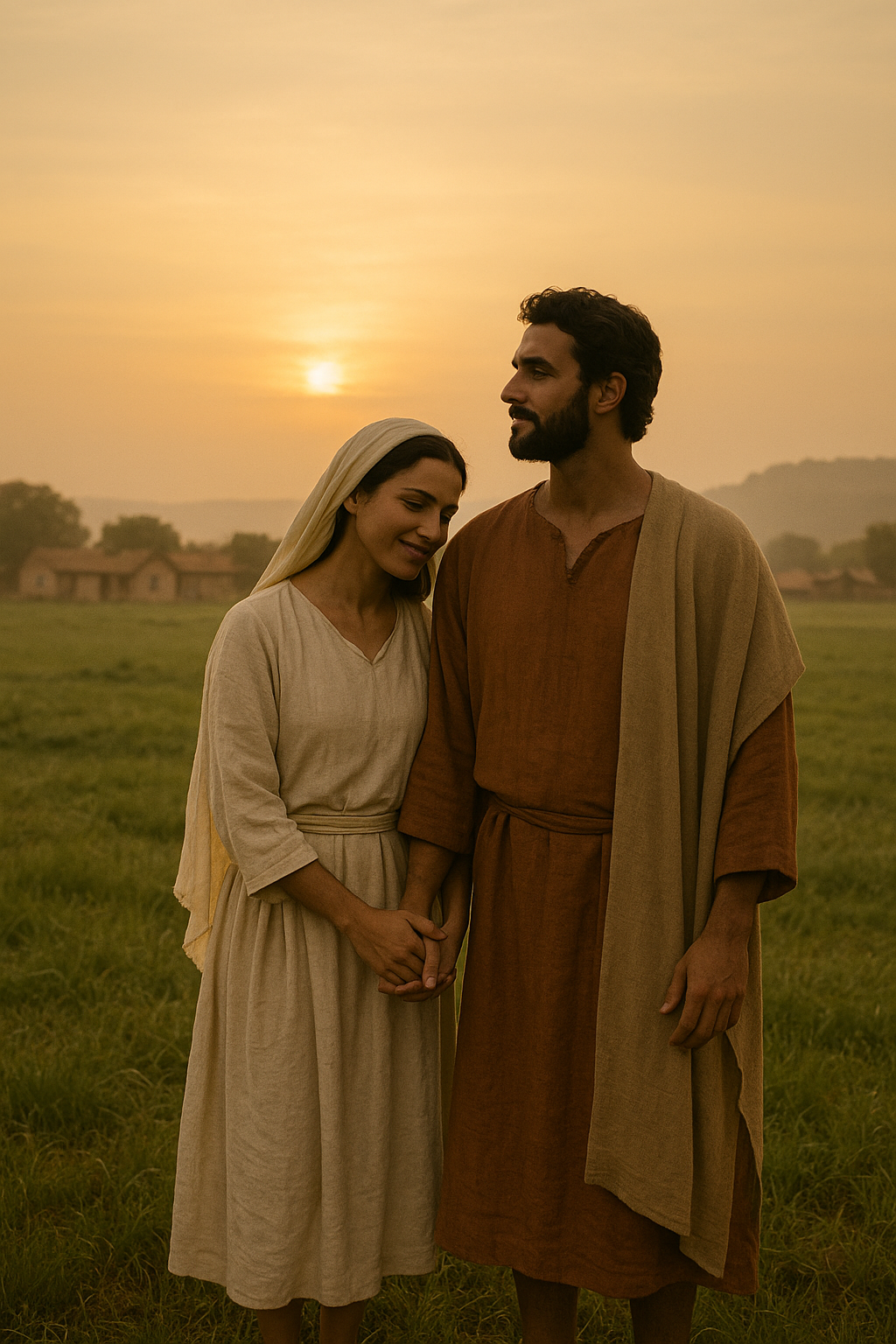
TODAY’S DAILY BIBLE VERSE: Oh to Desire to Love and Be Loved

August 14, 2025

Song of Solomon 7:10–11- 10 I am my beloved’s, and his desire is toward me. 11 Come, my beloved, let us go forth into the field; let us lodge in the villages.

Verse Context

These verses present one of the most intimate and confident declarations in the Song of Solomon. In verse 10, the bride affirms, “I am my beloved’s, and his desire is toward me,” expressing both mutual possession and deep affection. The word “desire” here carries the meaning of longing or deep yearning, showing that her beloved’s heart is entirely for her. This echoes earlier declarations in the book (2:16, 6:3) but here it comes with a fuller sense of security and joy.

In verse 11, the bride extends an invitation for shared experiences—“let us go forth into the field; let us lodge in the villages.” This implies intentional time together, away from the bustle of the palace or city life, enjoying the simplicity of rural beauty and undistracted fellowship. Culturally, this reflects the value of shared labor, rest, and journeying together in marriage. Spiritually, it mirrors the believer’s desire to draw away with Christ into deeper communion, away from worldly distractions, to be refreshed in His presence.

Broader Context

Chapter 7 of the Song of Solomon comes during the later portion of the poem, where the focus shifts from initial attraction to the celebration of mature love. The chapter begins with a lavish description of the bride, spoken in the voice of the bridegroom, highlighting her beauty from head to toe in a way that reflects not just physical admiration but deep appreciation. This is a turning point in the book, as the earlier chapters often alternated between longing and fulfillment, while here the love is confident, settled, and publicly affirmed.

The cultural backdrop is important. In ancient Israel, marriage was both a private covenant and a public reality, involving the community and often tied to agricultural seasons, feasts, and travel. The surrounding verses in chapter 7 are filled with imagery from vineyards, fields, and the countryside, reflecting the agrarian rhythms of life. These settings also function symbolically, portraying love as something cultivated, nurtured, and enjoyed over time.

The Song of Solomon as a whole blends intimate human romance with imagery that has long been understood as reflecting the covenant love between God and His people. In the broader sweep of the book, the closing chapters (7–8) move toward an enduring commitment that looks beyond the thrill of early romance to the enduring companionship of a life shared. The relationship has weathered seasons and grown into a love that is both secure and outward-looking, preparing the reader for the closing affirmations in chapter 8.

Application

Appreciating God’s Greatness
God’s greatness is seen in His design for love that matures over time. These verses show that His intent for marriage is not merely to spark initial passion but to grow it into a bond of confidence, joy, and companionship. In the same way, God’s covenant love for His people is not fleeting or conditional but steadfast, deepening through the seasons of life. When the bride speaks with assurance of her beloved’s desire, we see a reflection of how God takes delight in His own, treasuring those who belong to Him.

For the Believer
For the follower of Christ, this passage is a reminder that intimacy with God is not meant to stagnate. Just as the bride invites her beloved to go with her into the fields and villages, believers are called to actively pursue moments of connection with the Lord outside the confines of routine. This can mean stepping away from busyness, setting aside time for prayer, or finding ways to serve together with other believers. Love grows when it is nurtured, and our walk with Christ deepens when we intentionally spend time in His presence and in His work.

Call to Action: Take a step this week to intentionally meet with God in a new way. Whether it is a literal change of scenery, a day of fasting and prayer, or a simple quiet hour with your Bible, create space for undistracted communion with Him. Let your life reflect not only that you belong to Christ but that you desire His presence as much as He desires yours.

For the Unbeliever
If you have never entered into a relationship with Christ, this passage offers a glimpse of the joy and assurance that can be yours. The security the bride feels in her beloved’s love mirrors the confidence that comes from knowing Jesus personally. He calls you not only to belong to Him but to walk with Him in daily fellowship. Life apart from Him may be filled with noise, distraction, and uncertainty, but in His presence there is rest, purpose, and lasting joy.

Final Encouragement

Mature love is both confident and active. These verses capture a relationship that is secure in belonging and eager to share life together beyond the familiar. In marriage, this means continuing to grow together, seek new experiences, and invest intentionally in one another. In our relationship with Christ, it means resting in His unfailing love while also pursuing deeper fellowship with Him. Do not settle for a faith that stands still—walk with Him into the “fields” and “villages” of new experiences, service, and worship. The same God who delights in you also invites you to delight in Him.

Our Prayer For You

Heavenly Father, we thank You for the picture of confident and active love found in this passage. For every believer reading this, we ask that You deepen their assurance of Your love and stir in them a desire to draw closer to You each day. May their faith be vibrant, not stagnant, and may they find joy in walking with You wherever You lead. For those who do not yet know Christ, open their eyes to the peace and security found only in belonging to You. Let them hear Your invitation and respond with a willing heart. In Jesus’ name, Amen.

Closing

If you’ve found these daily verses encouraging, enlightening, or fruitful, please consider helping us spread the truth and light of God’s Word by subscribing to the blog and YouTube channels and liking and following the Facebook page. Most of all, share Believers of Biblical Truth and our links with others who may need the sermons and daily teachings just as much as we do.

You are loved, so much in fact, that we want you to know and be Believers of Biblical Truth.

Shalom Shalom.

TODAY’S DAILY BIBLE VERSE: The Grand Procession

August 13, 2025

Song of Solomon 3:6–11- 6 Who is this that cometh out of the wilderness like pillars of smoke, perfumed with myrrh (mur) and frankincense, with all powders of the merchant? 7Behold his bed, which is Solomon’s, threescore valiant men are about it, of the valiant of Israel. 8 They all hold swords, being expert in war: every man hath his sword upon his thigh because of fear in the night. 9 King Solomon made himself a chariot of the wood of Lebanon.10 He made the pillars thereof of silver, the bottom thereof of gold, the covering of it of purple, the midst thereof being paved with love, for the daughters of Jerusalem. 11 Go forth, O ye daughters of Zion (Ziʹ-uhn), and behold king Solomon with the crown wherewith his mother crowned him in the day of his espousals, and in the day of the gladness of his heart.

Verse Context

This passage paints a royal and majestic scene, likely describing King Solomon’s wedding procession. The imagery begins with the question, “Who is this that cometh out of the wilderness?” a rhetorical opening designed to draw attention to someone extraordinary approaching. The “pillars of smoke” and fragrances of myrrh and frankincense describe a grand and perfumed procession, likely signaling the bridegroom’s arrival or his royal entourage.

The following verses focus on the king’s bed or litter (a covered couch carried for royalty), surrounded by sixty elite warriors, “valiant men” trained for protection. This detail conveys the seriousness, security, and honor associated with the moment. The description of the chariot made from the wood of Lebanon, decorated with silver, gold, and purple, shows the luxury and splendor of the occasion. Most striking is the poetic phrase that the inside is “paved with love,” indicating the deep affection and joy at the heart of this royal event.

The scene concludes with a call to the “daughters of Zion” to come and witness Solomon crowned on the day of his wedding, a day of great gladness and public celebration. Spiritually, many interpreters see this as an image of Christ the King coming for His bride, the Church, in regal splendor, complete with protection, love, and a public declaration of joy in the union.

Broader Context

The Song of Solomon moves between intimate expressions of love and grand, public scenes of celebration. This section (3:6–11) shifts from the private imagery of earlier chapters to a royal procession, drawing the reader’s attention to the majesty and dignity of marriage. Traditionally attributed to King Solomon, the book blends vivid romantic language with rich symbolism drawn from Israel’s culture, geography, and worship traditions.

The “wilderness” in verse 6 refers to the open, sparsely inhabited lands around Israel, often seen as a place of testing or preparation. To see someone emerging from it “like pillars of smoke” suggests a grand, visible approach, much like the rising smoke of incense in temple worship. References to myrrh and frankincense link this event to anointing rituals and sacrifices, combining royal and spiritual elements.

Verses 7–8 describe a royal bed or litter surrounded by sixty of Israel’s most elite warriors. The number “threescore” (sixty) in Hebrew literature conveys completeness and abundance. These warriors are armed not for parade only, but because a wedding procession was an event worth protecting from any possible threat.

Verses 9–10 shift focus to the king’s chariot, crafted from the finest cedar wood from Lebanon, richly adorned with silver, gold, and purple. In the ancient world, purple dye was rare and costly, reserved for royalty and nobility. The poetic line “paved with love” points beyond material wealth to the true foundation of this union, affection and commitment.

Verse 11 serves as a public invitation for the “daughters of Zion” to witness Solomon crowned on his wedding day. This is not the political coronation of a king to the throne, but a ceremonial crowning for marriage, possibly by his mother Bathsheba. In ancient Israel, weddings were public occasions of community joy, and the king’s marriage would have been a national celebration.

Spiritually, this grand scene has often been read as a foreshadowing of the marriage supper of the Lamb (Revelation 19:6–9), when Christ comes in royal glory for His bride, the Church. The protective warriors, the rich adornments, and the joy-filled crown all point to the secure, lavish, and joyful love of the Bridegroom for His people.

Application

Appreciating God’s Greatness
These verses showcase the majesty, power, and beauty of love as God designed it. The splendor of Solomon’s procession, with its fragrances, royal chariot, and armed guard, speaks of a love that is both cherished and protected. God is the author of such love, not only in marriage but in His covenant with His people. Just as Solomon’s bride was honored with a royal welcome, God’s people are honored by His care and preparation for them. Spiritually, this foreshadows the grandeur of Christ’s return for His bride, the Church, when He will come in visible glory, declaring His love before the watching world.

For the Believer
This passage reminds us that love worth having is love worth guarding. Solomon’s marriage procession was surrounded by sixty armed warriors because great love is precious and under threat. In your spiritual life, the enemy seeks to attack your joy, faith, and intimacy with Christ. The call here is to stand watch, keeping your life fortified with truth, prayer, and fellowship. The “paved with love” description also reminds us that no matter how outwardly impressive something is, its real worth is found in love rooted in God’s design.

Call to Action: Protect your relationships and your faith with the same vigilance that Solomon’s guard used. Identify what threatens your walk with Christ, whether sin, distraction, or compromise, and actively stand against it. Remember that your life should not only be adorned with outward signs of faith but “paved with love” from the inside out.

For the Unbeliever
If you have not yet trusted Christ, this imagery of a royal wedding procession offers you a glimpse of what awaits those who belong to Him. One day, Christ will return for His people, not in secret but in glorious, public triumph. He will welcome His bride into the eternal celebration, and the only way to be part of that procession is to be in right relationship with Him now. Without Christ, you will not be among the rejoicing crowd but outside the gates of the celebration. Today is the time to turn to Him, receive His love, and prepare for the day when He comes in royal splendor.

Final Encouragement

The royal procession of Solomon’s wedding was more than a display of wealth, it was a public proclamation of love, protection, and joy. The same God who inspired this grand celebration has prepared something far greater for His people: the day when Christ will return for His bride, the Church. On that day, His glory will be more dazzling than gold, His protection stronger than sixty warriors, and His love deeper than the richest purple tapestry. Let these verses stir both your hope and your resolve, to guard what is precious now and to live in anticipation of the day when the true King comes for His own.

Our Prayer For You

Heavenly Father, we thank You for this picture of beauty, honor, and love that reflects both the joy of marriage and the glory of Christ’s return. We pray for every believer reading this to guard their hearts and relationships with vigilance, and to keep their faith adorned with the love that comes from You alone. For those who have not yet received Christ, we pray that this image of a royal welcome would awaken a longing to be part of Your eternal celebration. May we all live each day ready for the arrival of our King, rejoicing in His protection, provision, and steadfast love. In Jesus’ name, Amen.

Closing

If you’ve found these daily verses encouraging, enlightening, or fruitful, please consider helping us spread the truth and light of God’s Word by subscribing to the blog and YouTube channels and liking and following the Facebook page. Most of all, share Believers of Biblical Truth and our links with others who may need the sermons and daily teachings just as much as we do.

You are loved, so much in fact, that we want you to know and be Believers of Biblical Truth.

Shalom Shalom.

TODAY’S DAILY BIBLE VERSE: THE COVERING IS SWEET

August 12,2025

Song of Solomon 2:3–4- 3 As the apple tree among the trees of the wood, so is my beloved among the sons. I sat down under his shadow with great delight, and his fruit was sweet to my taste. 4 He brought me to the banqueting house, and his banner over me was love

Verse Context

These verses come from the bride’s poetic description of her bridegroom. She compares him to an apple tree—rare, fruitful, and refreshing compared to the ordinary trees of the forest. This is a picture of a husband who stands out in character, love, and provision among all other men. The “shadow” she delights in represents his protection, care, and comforting presence, while the “fruit” reflects the blessings and joy she experiences in his love.

In verse 4, the imagery shifts to a banqueting house, a place of abundance, celebration, and fellowship. The “banner” in ancient times was a military or ceremonial flag raised high to identify and rally people. In this case, the banner is love, signifying that the bridegroom’s love is not hidden but openly displayed. Spiritually, this verse has often been understood as an image of Christ’s love for His Church, offering protection, sustenance, and joy, and publicly declaring His covenant relationship with His people.

Broader Context

The Song of Solomon is a poetic celebration of marital love, often read on two levels: literally, as an intimate exchange between husband and wife, and spiritually, as a picture of the covenant love between God and His people. The book is traditionally attributed to King Solomon and uses rich imagery drawn from nature, royal court life, and agricultural life in ancient Israel.

Chapter 2 paints a vivid portrait of springtime love, vibrant, growing, and full of anticipation. In the verses leading up to 2:3–4, the bride describes her longing for her beloved and the joy she finds in his presence. Verse 3 portrays the bridegroom as an apple tree among ordinary trees, which in ancient Israel was a picture of beauty, nourishment, and refreshment. Apple trees provided sweet fruit and cool shade in an otherwise dry, hot climate. This imagery sets him apart from all other men and emphasizes the sense of safety, provision, and joy he brings her.

In verse 4, the bridegroom brings her to the “banqueting house”, a place of abundance and celebration. In ancient Israelite culture, a banquet often marked covenant occasions, weddings, or victories. The mention of his “banner” being love adds public affirmation to their relationship. In ancient warfare, a banner was lifted high to rally soldiers and declare allegiance; here, it becomes a metaphor for open, unashamed love that declares to all, “She is mine.”

Spiritually, these verses have been cherished by believers as a picture of Christ’s love for the Church. Just as the bride delights in the shade and fruit of her beloved, believers rest under Christ’s protection and are nourished by His Word and Spirit. His “banner” of love over His people is a declaration of His covenant faithfulness, seen supremely in the cross.

Application

Appreciating God’s Greatness
God’s greatness is revealed in the way He loves, protects, and provides for His people. These verses show a love that is not only sustaining but also openly declared. Just as the bride takes delight under the shade of her beloved and enjoys the sweetness of his fruit, so believers find rest, comfort, and spiritual nourishment under the covering of God’s presence. The image of His “banner” being love reminds us that God’s care is not hidden, it is a public, covenant promise that He is not ashamed to call us His own.

For the Believer
These verses remind believers that our relationship with Christ is not meant to be hidden or private in the sense of secrecy, it is to be openly celebrated. We rest in His protection and are nourished by His Word, which is the spiritual “fruit” that sustains us. His banner over us is love, meaning that in a world where loyalties shift and commitments fade, God’s covenant love remains steadfast.

Call to Action: Live in a way that reflects the joy and security of being under God’s banner. Do not hide your faith; let your allegiance to Christ be as visible as a banner on a battlefield. Spend time “under His shadow” by daily seeking Him in prayer and Scripture, and savor the “sweet fruit” of His promises.

For the Unbeliever
If you do not yet know Christ, this imagery invites you to step into His shade and rest from the heat and burden of life. The world may offer many “trees,” but only Jesus provides the refreshment your soul truly needs. His banqueting house is open, and His banner of love is extended to all who will come. He is not ashamed to call you His own when you turn to Him in faith and repentance. Under His covering, you will find joy, protection, and the eternal security of His love.

Final Encouragement

The love described in these verses is not fragile or hidden, it is strong, nourishing, and boldly proclaimed. Just as the bride delights in the rare fruitfulness of the apple tree and the joy of the banqueting house, so we can delight in the presence and provision of the Lord. His banner of love is not lowered in times of trial or shame; it flies high over His people at all times. Rest in the truth that you are not only welcomed into His presence but also cherished under His public declaration of love.

Our Prayer For You

Heavenly Father, we thank You for the picture of love, protection, and joy found in these verses. We pray for every reader to know the sweetness of Your presence and the strength of Your love. For the believer, deepen their rest under Your covering and make their lives a visible banner of allegiance to You. For those who have not yet trusted in Christ, draw them into Your banqueting house and let them taste the goodness of Your salvation. May we all live openly and joyfully under the banner of Your everlasting love. In Jesus’ name, Amen.

Closing

If you’ve found these daily verses encouraging, enlightening, or fruitful, please consider helping us spread the truth and light of God’s Word by subscribing to the blog and YouTube channels and liking and following the Facebook page. Most of all, share Believers of Biblical Truth and our links with others who may need the sermons and daily teachings just as much as we do.

You are loved, so much in fact, that we want you to know and be Believers of Biblical Truth. Shalom Shalom.

TODAY’S DAILY BIBLE VERSE: Little Foxes, Big Problems

August 08, 2025

Song of Solomon 2:15- 15Take us the foxes, the little foxes, that spoil the vines: for our vines have tender grapes.

Verse Context

This verse comes in the midst of a romantic and poetic dialogue between the bride and bridegroom in the Song of Solomon, a book traditionally attributed to King Solomon. The imagery of foxes refers to small but destructive animals that could ruin a vineyard by eating young grapes or damaging vines. Spiritually and relationally, these “little foxes” are symbolic of small problems, sins, or neglected issues that, if left unchecked, can harm love and intimacy in marriage. The vines and tender grapes represent the blossoming of love and the fruit of the relationship, which requires intentional care and protection.

In the context of marriage, the verse teaches the importance of addressing minor issues before they grow into larger, relationship-damaging problems. Just as a vineyard must be guarded from pests to preserve its fruit, a marriage must be guarded from unresolved conflicts, unkind words, hidden temptations, or lapses in affection.

Here, the poetic voice urges both partners to take responsibility together, “take us the foxes”, showing that maintaining a strong, godly marriage is a shared effort. This reflects the biblical principle that husband and wife are united in protecting the covenant bond God has established between them.

Broader Context

The Song of Solomon, also known as the Song of Songs, is a poetic celebration of marital love, intimacy, and commitment. Traditionally attributed to King Solomon, it is considered an allegory of God’s covenant relationship with His people, while also providing a literal depiction of the beauty and sanctity of romantic love within marriage.

Chapter 2 presents a back-and-forth exchange between the bride and bridegroom, filled with imagery from nature, flowers, vineyards, springtime, symbolizing new love and growth. The surrounding verses (2:8–17) describe the bride’s delight in the bridegroom’s approach and the beauty of their union. This is not mere infatuation, but a picture of love maturing into deep commitment.

Verse 15 fits into this progression as a warning within the joy: their relationship is blossoming, but they must guard against anything that could harm it. The “little foxes” become a central metaphor in the book’s teaching, love must be tended like a vineyard, with vigilance against the small intrusions that can cause great damage if ignored.

On a spiritual level, this verse also reflects the believer’s relationship with God. Just as foxes threaten the fruitfulness of a vineyard, small compromises, unchecked sins, and distractions can damage our walk with Christ. In the same way that marriage requires continual care, so does our spiritual intimacy with the Lord.

Application

Appreciating God’s Greatness
God is the ultimate designer of marriage, creating it to be a covenant of love, trust, and mutual care. His greatness is revealed in how He uses even the smallest details of creation, like foxes in a vineyard, to teach profound spiritual and relational truths. The Lord knows that both in marriage and in our relationship with Him, it is often the small, unnoticed compromises that can lead to great destruction. His Word shows us that He cares not only about our salvation, but also about the daily health and fruitfulness of our love for Him and for one another.

For the Believer
This verse calls believers to be vigilant in both their marriages and their spiritual lives. The “little foxes” could be anything from unspoken resentments, selfish attitudes, or habitual neglect, to temptations that slowly creep in. In our walk with Christ, they could be the compromises we justify, the spiritual disciplines we neglect, or the worldly distractions we allow to crowd out our devotion.

Call to Action: Examine your heart and your home today. Ask the Lord to reveal any “little foxes” that might be hindering love or fruitfulness. Be willing to address them immediately, through repentance, forgiveness, intentional acts of kindness, and renewed spiritual commitment. Guard what God has entrusted to you, and remember that a healthy marriage and a vibrant walk with Christ require constant care and intentional effort.

For the Unbeliever
If you have not yet given your life to Christ, this verse speaks to you as well. The “little foxes” in your life may be the sins you consider small or harmless. Yet over time, they spoil the most important vineyard, your soul. Sin doesn’t always destroy all at once; often it works subtly, chipping away at your peace, joy, and hope. But Jesus offers forgiveness and new life. He can cleanse the vineyard of your heart and cause it to bear good fruit, both now and for eternity.

Final Encouragement

A vineyard left unattended will eventually be overtaken by pests, weeds, and decay, and so will a marriage or a soul left unguarded. God calls us to be watchful, not fearful, because He has given us everything we need to protect and nurture what He has entrusted to us. Whether it’s your marriage, your faith, or your character, do not overlook the “little foxes.” Deal with them quickly, and you will enjoy the sweet fruit of peace, joy, and love that comes from walking in God’s ways. Remember, strong love is not accidental; it is cultivated through daily faithfulness and intentional care.

Our Prayer For You

Heavenly Father, we thank You for the beauty of love and the covenant of marriage that You designed. We pray for every reader today, whether married or single, that You would reveal any “little foxes” seeking to harm their relationships or their walk with You. Give them the courage to confront these issues, the humility to repent, and the grace to forgive. Strengthen marriages to reflect Your love, and draw every heart closer to You so that the vineyard of their life will bear fruit that glorifies Your name. In Jesus’ name we pray, Amen.

Closing

If you’ve found these daily verses encouraging, enlightening, or fruitful, please consider helping us spread the truth and light of God’s Word by subscribing to the blog and YouTube channels and liking and following the Facebook page. Most of all, share Believers of Biblical Truth and our links with others who may need the sermons and daily teachings just as much as we do.

You are loved, so much in fact, that we want you to know and be Believers of Biblical Truth. Shalom Shalom.