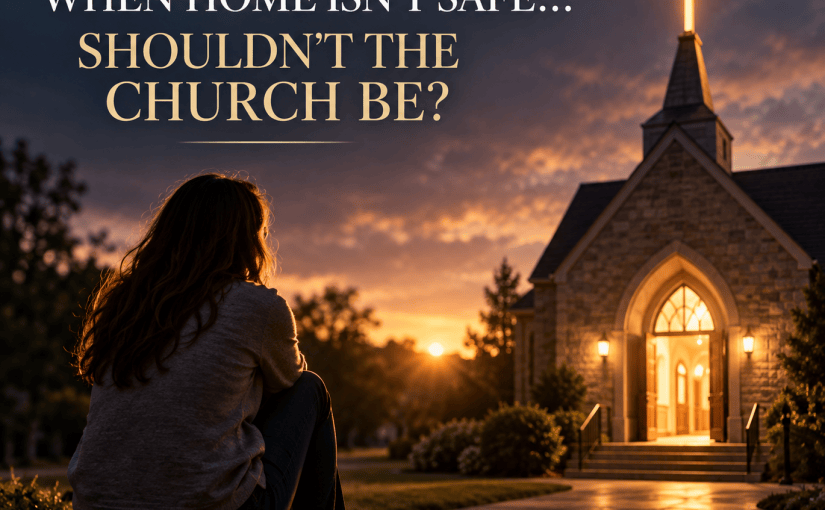
Does it trouble you that someone can sit in a church pew hearing about the sanctity of marriage while privately enduring abuse at home?
Have you ever struggled to reconcile what you have heard about staying married to an abusive spouse with what you know about the love and compassion of Jesus Christ?
What happens when someone experiencing abuse wants help but is afraid to approach the pastor, doesn’t know whom to trust, or simply doesn’t believe the church is prepared to help?
Have you ever feared that telling someone about your abuse would mean everyone finding out—and making an already dangerous situation worse?
Have you ever feared finally asking for help, only to hear, “I’ll pray for you,” when what you desperately needed was someone prepared to help you?
These are difficult questions, but the Church cannot afford to avoid them.
As part of my graduate ministry internship, I am studying how Christian churches understand and respond to domestic violence and intimate partner abuse. The goal is to use what we learn to develop a practical, biblically grounded program that helps churches become better educated, better prepared, and safer places for people experiencing abuse.
You do not have to be a survivor to participate. If you have experienced abuse, supported someone who has, have experience in the Christian church, or simply care about how the Church responds to domestic violence, your voice matters.
Our previous Facebook post reached nearly 10,000 people and generated more than 360 link clicks—yet only nine people completed the survey.
This time, I need more than a click. I need your voice.
Please take a few minutes to complete the survey. Your answers will directly help shape a program designed to help churches confront the sin of domestic violence and abuse with biblical truth, greater understanding, compassion, and a clear plan for helping people who need it.
Please take the survey. Then please share it with everyone.copy and post this link on your blogs and on your instagram and Facebook pages.
After more than seven years working in domestic violence, I have seen firsthand how complicated these situations can become—especially when faith, marriage, safety, and the responsibilities of the church intersect.
As I complete my master’s degree at Regent University, my internship project, The Church Responds: A Ministry Study of Domestic Violence, Pastoral Preparedness, and Survivor Support, is examining how churches understand and respond to domestic violence.
The first step is this **anonymous survey**. More surveys will follow, but this one will begin giving me real data about what churches are doing, what people know, and where gaps may exist.
I would greatly appreciate a few minutes of your time to complete it. More importantly, please help me get this survey beyond my/our own circle. Share it with your Facebook friends, members of your church, and anyone you know who may have experienced domestic violence. Post the link to this blog. Please consider sending the link to your pastor or church leadership and asking them to share it as well.
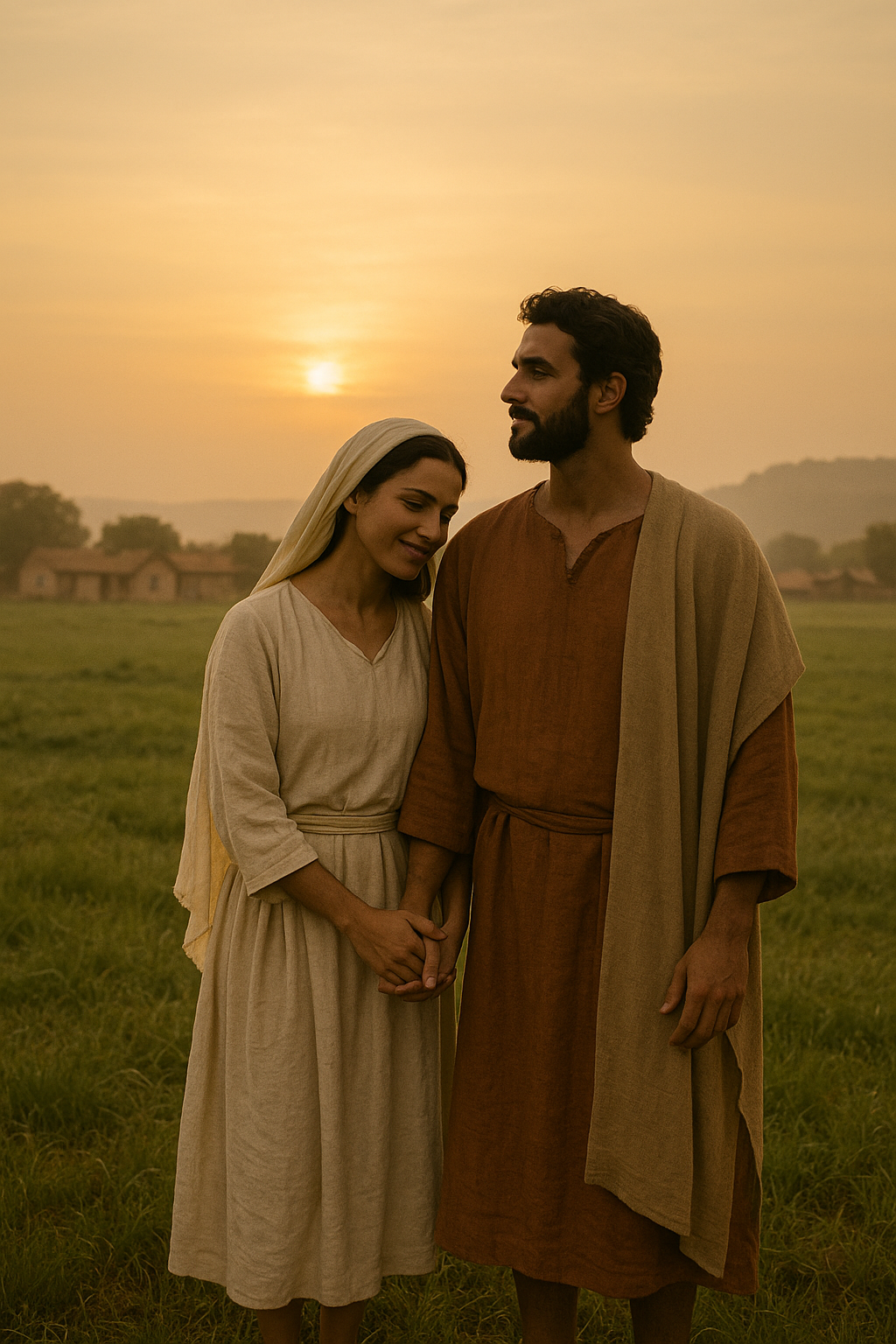
Song of Solomon 7:10–11- 10 I am my beloved’s, and his desire is toward me. 11 Come, my beloved, let us go forth into the field; let us lodge in the villages.
Verse Context
These verses present one of the most intimate and confident declarations in the Song of Solomon. In verse 10, the bride affirms, “I am my beloved’s, and his desire is toward me,” expressing both mutual possession and deep affection. The word “desire” here carries the meaning of longing or deep yearning, showing that her beloved’s heart is entirely for her. This echoes earlier declarations in the book (2:16, 6:3) but here it comes with a fuller sense of security and joy.
In verse 11, the bride extends an invitation for shared experiences—“let us go forth into the field; let us lodge in the villages.” This implies intentional time together, away from the bustle of the palace or city life, enjoying the simplicity of rural beauty and undistracted fellowship. Culturally, this reflects the value of shared labor, rest, and journeying together in marriage. Spiritually, it mirrors the believer’s desire to draw away with Christ into deeper communion, away from worldly distractions, to be refreshed in His presence.
Broader Context
Chapter 7 of the Song of Solomon comes during the later portion of the poem, where the focus shifts from initial attraction to the celebration of mature love. The chapter begins with a lavish description of the bride, spoken in the voice of the bridegroom, highlighting her beauty from head to toe in a way that reflects not just physical admiration but deep appreciation. This is a turning point in the book, as the earlier chapters often alternated between longing and fulfillment, while here the love is confident, settled, and publicly affirmed.
The cultural backdrop is important. In ancient Israel, marriage was both a private covenant and a public reality, involving the community and often tied to agricultural seasons, feasts, and travel. The surrounding verses in chapter 7 are filled with imagery from vineyards, fields, and the countryside, reflecting the agrarian rhythms of life. These settings also function symbolically, portraying love as something cultivated, nurtured, and enjoyed over time.
The Song of Solomon as a whole blends intimate human romance with imagery that has long been understood as reflecting the covenant love between God and His people. In the broader sweep of the book, the closing chapters (7–8) move toward an enduring commitment that looks beyond the thrill of early romance to the enduring companionship of a life shared. The relationship has weathered seasons and grown into a love that is both secure and outward-looking, preparing the reader for the closing affirmations in chapter 8.
Application
Appreciating God’s Greatness God’s greatness is seen in His design for love that matures over time. These verses show that His intent for marriage is not merely to spark initial passion but to grow it into a bond of confidence, joy, and companionship. In the same way, God’s covenant love for His people is not fleeting or conditional but steadfast, deepening through the seasons of life. When the bride speaks with assurance of her beloved’s desire, we see a reflection of how God takes delight in His own, treasuring those who belong to Him.
For the Believer For the follower of Christ, this passage is a reminder that intimacy with God is not meant to stagnate. Just as the bride invites her beloved to go with her into the fields and villages, believers are called to actively pursue moments of connection with the Lord outside the confines of routine. This can mean stepping away from busyness, setting aside time for prayer, or finding ways to serve together with other believers. Love grows when it is nurtured, and our walk with Christ deepens when we intentionally spend time in His presence and in His work.
Call to Action: Take a step this week to intentionally meet with God in a new way. Whether it is a literal change of scenery, a day of fasting and prayer, or a simple quiet hour with your Bible, create space for undistracted communion with Him. Let your life reflect not only that you belong to Christ but that you desire His presence as much as He desires yours.
For the Unbeliever If you have never entered into a relationship with Christ, this passage offers a glimpse of the joy and assurance that can be yours. The security the bride feels in her beloved’s love mirrors the confidence that comes from knowing Jesus personally. He calls you not only to belong to Him but to walk with Him in daily fellowship. Life apart from Him may be filled with noise, distraction, and uncertainty, but in His presence there is rest, purpose, and lasting joy.
Final Encouragement
Mature love is both confident and active. These verses capture a relationship that is secure in belonging and eager to share life together beyond the familiar. In marriage, this means continuing to grow together, seek new experiences, and invest intentionally in one another. In our relationship with Christ, it means resting in His unfailing love while also pursuing deeper fellowship with Him. Do not settle for a faith that stands still—walk with Him into the “fields” and “villages” of new experiences, service, and worship. The same God who delights in you also invites you to delight in Him.
Our Prayer For You
Heavenly Father, we thank You for the picture of confident and active love found in this passage. For every believer reading this, we ask that You deepen their assurance of Your love and stir in them a desire to draw closer to You each day. May their faith be vibrant, not stagnant, and may they find joy in walking with You wherever You lead. For those who do not yet know Christ, open their eyes to the peace and security found only in belonging to You. Let them hear Your invitation and respond with a willing heart. In Jesus’ name, Amen.
Closing
If you’ve found these daily verses encouraging, enlightening, or fruitful, please consider helping us spread the truth and light of God’s Word by subscribing to the blog and YouTube channels and liking and following the Facebook page. Most of all, share Believers of Biblical Truth and our links with others who may need the sermons and daily teachings just as much as we do.
You are loved, so much in fact, that we want you to know and be Believers of Biblical Truth.



You must be logged in to post a comment.