
Today is September 23, 2025
Exodus 20:13- “Thou shalt not kill.”
Verse Context
This commandment is the sixth of the Ten Commandments given by God to Israel at Mount Sinai. Moses, as the mediator, records these words as part of the covenant between God and His chosen people. The immediate setting is a holy encounter: thunder, lightning, smoke, and the trembling of the mountain as God speaks directly to the people (Exodus 19–20). These commandments are not arbitrary rules but expressions of God’s holy character, showing Israel how to live in covenant relationship with Him and with one another.
The Hebrew phrase translated “kill” in the King James Bible specifically carries the sense of “murder”, the deliberate, unlawful, or unjust taking of human life. It does not prohibit all killing in every circumstance, as the law itself later distinguishes between accidental death, judicial execution, warfare, and personal murder (see Exodus 21 and Deuteronomy 19). What God forbids here is the intentional shedding of innocent blood.
The intent of this commandment is to preserve human life because it is sacred, made in the image of God (Genesis 1:26–27). It is a reaffirmation of the principle already given after the Flood in Genesis 9:6, where God declared that to shed human blood unjustly is to attack His image. By placing this commandment at the center of Israel’s covenant law, God sets a standard that life is not to be ended by human willfulness, vengeance, or hatred.
This law also functioned as a boundary for the community of Israel. Surrounded by nations that often practiced violence, blood feuds, and child sacrifice, Israel was to stand apart as a people who recognized life’s divine value. The commandment drew a clear line: no individual has the right to arrogate God’s authority over life and death for selfish or malicious purposes.
When read in its original setting, this commandment is not only a social safeguard but a theological declaration. Life belongs to God, and man may not treat it cheaply. The commandment also sets the stage for further elaborations in the law that distinguish between killing that is murder and killing that is not, creating the foundation for discussions of justice, defense, and accountability that run throughout the rest of Scripture.
Broader Context
The sixth commandment, “Thou shalt not kill” (Exodus 20:13), stands as one of the shortest yet weightiest statements in all of Scripture. At its core it condemns murder. But Scripture does not leave the command hanging in the air without clarity; it anchors it in God’s image and then surrounds it with teaching that helps God’s people distinguish murder from other forms of killing that may arise in a fallen world.
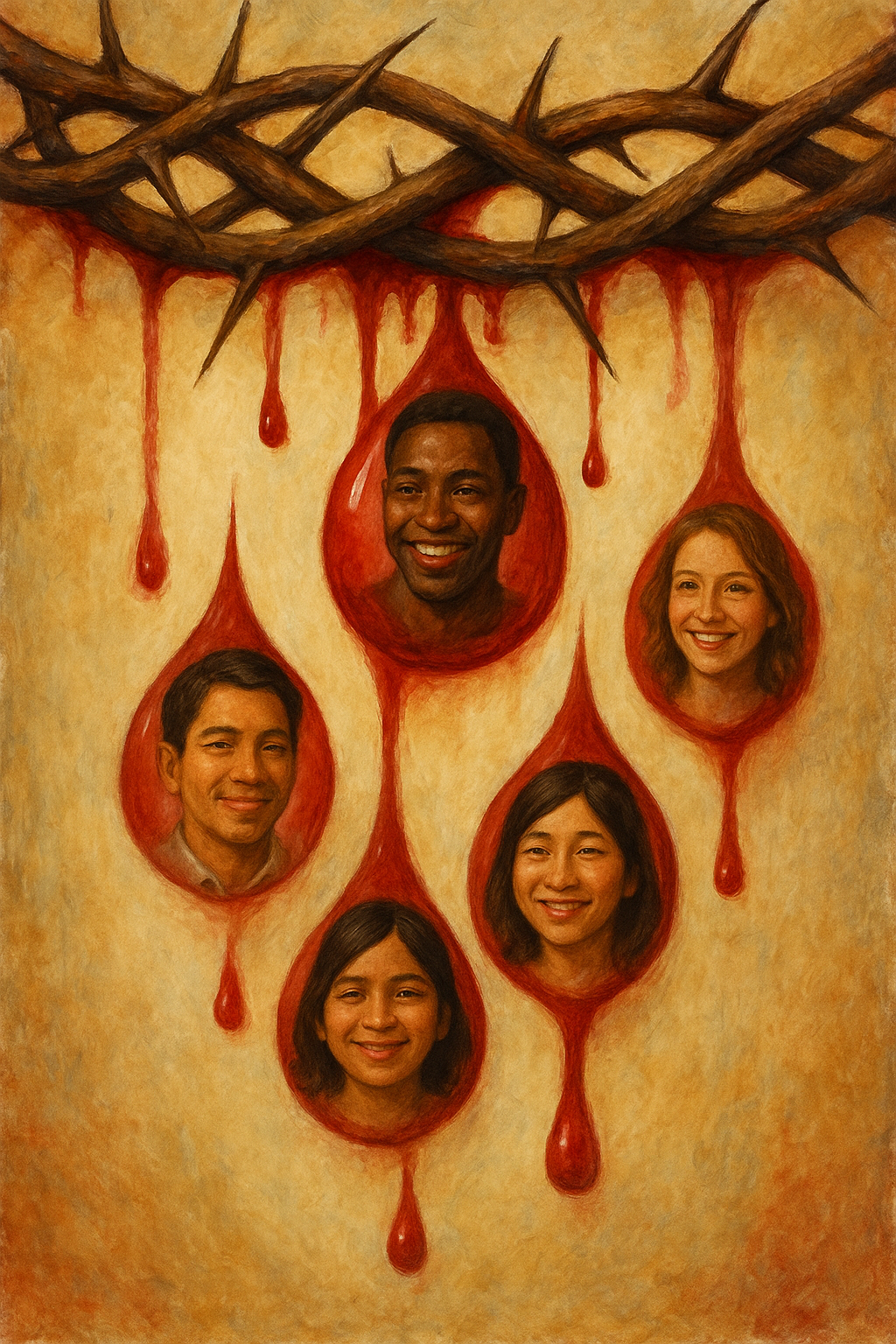
The first anchor point is Genesis 1:26–27 and Genesis 9:6. From the beginning, mankind was created in the image of God, and after the Flood God reaffirmed this principle: “Whoso sheddeth man’s blood, by man shall his blood be shed: for in the image of God made he man.” The logic is simple yet profound: because man bears God’s image, to strike down a human life unjustly is to deface the Creator Himself. I would use this as the strongest argument against abortion even for those who do not believe. The sixth commandment is therefore not merely a rule for social order but a theological declaration of God’s ownership of life.
The law of Moses further clarifies this command. Exodus 21:12–14 distinguishes between premeditated murder and accidental killing: “He that smiteth a man, so that he die, shall be surely put to death… But if a man come presumptuously upon his neighbour, to slay him with guile; thou shalt take him from mine altar, that he may die.” Intent and malice are the critical factors that turn killing into murder. Likewise, Numbers 35:9–15 establishes the cities of refuge for those guilty of manslaughter, again affirming that not every loss of life is equivalent to murder in God’s eyes.
The law also makes room for the defense of life. Exodus 22:2–3 teaches that if a thief breaks into a house at night and is struck down, the defender is not guilty of bloodshed. However, if the same happens in the daylight, when danger can be assessed more clearly, there is guilt if the intruder is killed. The point is restraint. God allows for protection of innocent life but requires careful judgment to prevent vengeance or excess. In this way, the command “Thou shalt not kill” stands alongside provisions for self-defense, showing that God’s goal is the preservation of life, not the rigid prohibition of every form of killing.
The prophets often return to the spirit of this command when they condemn Israel for shedding innocent blood. Jeremiah 22:3 declares, “Thus saith the LORD; Execute ye judgment and righteousness, and deliver the spoiled out of the hand of the oppressor: and do no wrong, do no violence to the stranger, the fatherless, nor the widow, neither shed innocent blood in this place.” Murder was not only an individual act but a societal sin when nations or leaders exploited or destroyed the vulnerable. God’s command reached beyond personal morality to national righteousness.
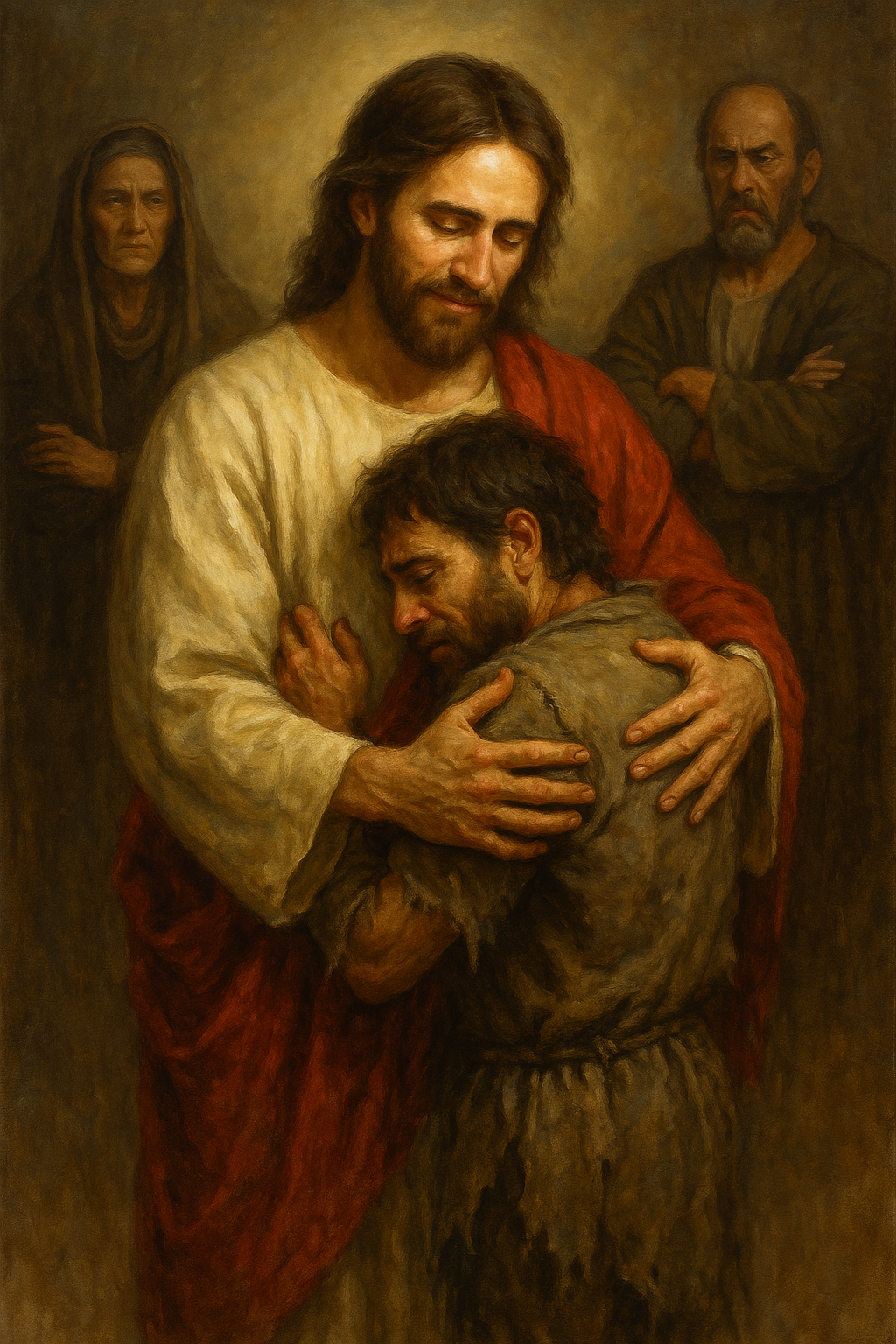
In the New Testament, Jesus raises the bar from the physical act of murder to the inward condition of the heart. In Matthew 5:21–22 He says, “Ye have heard that it was said by them of old time, Thou shalt not kill; and whosoever shall kill shall be in danger of the judgment: But I say unto you, That whosoever is angry with his brother without a cause shall be in danger of the judgment.” Christ reveals that the sixth commandment was always meant to do more than prevent physical violence; it was to expose the anger, hatred, and contempt that seed murder long before a weapon is drawn. John carries this thought further: “Whosoever hateth his brother is a murderer: and ye know that no murderer hath eternal life abiding in him” (1 John 3:15). Thus, the commandment calls us not only to restrain our hands but to submit our hearts to God’s transforming grace.
Paul reinforces this in Romans 13:9–10: “Thou shalt not kill… and if there be any other commandment, it is briefly comprehended in this saying, namely, Thou shalt love thy neighbour as thyself. Love worketh no ill to his neighbour: therefore love is the fulfilling of the law.” Love is the positive fulfillment of the negative command. Not murdering is the starting line; actively loving others as oneself is the goal.
Taken together, the broad biblical witness shows that Exodus 20:13 is not an isolated prohibition but part of a sweeping ethic rooted in God’s holiness. It distinguishes between murder, manslaughter, and just defense; it condemns hatred, vengeance, and bloodshed; it calls societies to protect the weak; and it presses individuals to cultivate love instead of anger. In short, the sixth commandment points us to the sanctity of life and the God who gave it, urging us to honor Him by valuing His image in every person.
Application
Appreciating God’s Greatness
The commandment, “Thou shalt not kill,” is not simply a rule to restrain violence but a revelation of God’s greatness. It reminds us that life belongs to Him alone. He is the Author of life, the One who formed man from the dust and breathed into his nostrils the breath of life (Genesis 2:7). His greatness is seen in the dignity He has given to every human being, for we are made in His image. That truth extends even to those outside the faith, those who do not believe or who live in rebellion against Him. To take their life unjustly is still to mar the image of God and to despise His creative work. This is why the commandment holds universal weight, it is rooted not in human legislation but in divine authority. God’s greatness in creation calls us to respect life in all its forms, to treat every person as bearing His mark, and to honor His sovereignty over life and death.
For the Believer
For those who follow Christ, this commandment takes on both a sobering and a hopeful tone. It sobers us because it teaches that murder is not only an act of violence but a reflection of the heart. Jesus exposed the seed of murder in anger and hatred, showing us that to harbor such feelings is already to break the commandment (Matthew 5:21–22). Therefore, the believer must guard against bitterness, rage, and contempt, knowing that these sins dishonor God’s image in others. At the same time, this commandment fills us with hope, for it is part of God’s covenant love to protect His people and preserve life. Believers are called to mourn with those who mourn, to comfort the grieving, and to uphold justice with humility. When violence and murder strike close to home, as in the tragic deaths of Melissa and Mark Hortman, Charlie Kirk, and Iryna Zarutska, Christians are not to give way to despair or vengeance but to cling to the God who values life and promises resurrection through His Son.
Call to Action
The believer’s call to action is clear. We are to honor life by loving our neighbors as ourselves, refusing to repay evil with evil, and resisting the temptation to dehumanize others even in our thoughts. We must pray for grieving families, stand beside survivors, and declare boldly that life is sacred. We are also called to forgive as Christ forgave us, even while working for justice in our communities. This means speaking truth about the value of every person, refusing to allow politics or partisanship to determine whose life is worth more, and being peacemakers in a culture saturated with violence and hate. By doing these things, we demonstrate the gospel of life to a watching world and magnify the God who has conquered death through Jesus Christ.
For the Unbeliever
For those outside of Christ, this commandment is a mirror. Some mock death and even profit from it, revealing the hardness of their hearts. To treat human life as a joke or a means for gain is to despise God’s image and invite His judgment. Scripture warns, “Be not deceived; God is not mocked: for whatsoever a man soweth, that shall he also reap” (Galatians 6:7). Yet for others, these tragedies stir searching questions. They long to know why life feels so fragile and what hope can be found in the face of death. The answer is not in laws, politics, or empty comforts. The answer is found in Jesus Christ, who said, “I am the resurrection, and the life: he that believeth in me, though he were dead, yet shall he live” (John 11:25). He offers forgiveness for sin, peace with God, and eternal life. To those searching: your value is real, your life has meaning, and the One who gave you breath calls you to Himself for salvation and everlasting hope.
Final Encouragement
Even in a world shaken by violence, we must not forget that God is still on His throne. The sixth commandment reminds us that He values life so deeply that He guards it with His own law. While headlines may grieve us, while murder and injustice may weigh us down, God’s people are never left powerless. The Holy Spirit abides within every believer, comforting us in sorrow and strengthening us for courage. Communities are rising together, churches are uniting in prayer, and the gospel continues to shine. This is not the time to give up; this is the time to stand firm. Like a team coming out of the locker room after a hard first half, the church must remember that the game is not lost. The victory is already secure in Christ. Death is defeated, sin has been overcome, and Satan’s end is certain. Do not lose heart; press forward in faith. Win with Jesus, who has already won for you.
Our Prayer for You
Lord, we thank You that You are the Giver of life and the One who has power over death. We ask You today to comfort those who mourn, to strengthen those who are weak, and to give courage to Your people as they face the brokenness of this world. Holy Spirit, abide with us. Fill us with Your presence so that fear is driven out and love takes root. Help us to defend the vulnerable, to honor the image of God in others, and to shine with the light of Christ in dark places. Encourage us when we feel weary, lift us when we fall, and send us out with boldness to live as witnesses of Your truth. May we never forget that in Christ we already stand on the side of victory. We pray this in the name of Jesus, our Savior and Lord. Amen.
Closing
If you’ve found these daily verses encouraging, enlightening, or fruitful, please consider helping us spread the truth and light of God’s Word by subscribing to the blog and YouTube channels and liking and following the Facebook page. Most of all, share Believers of Biblical Truth and our links with others who may need the sermons and daily teachings just as much as we do.
You are loved, so much in fact, that we want you to know and be Believers of Biblical Truth.
Shalom Shalom.


 Believers of Biblical Truth
You must be logged in to post a comment.